
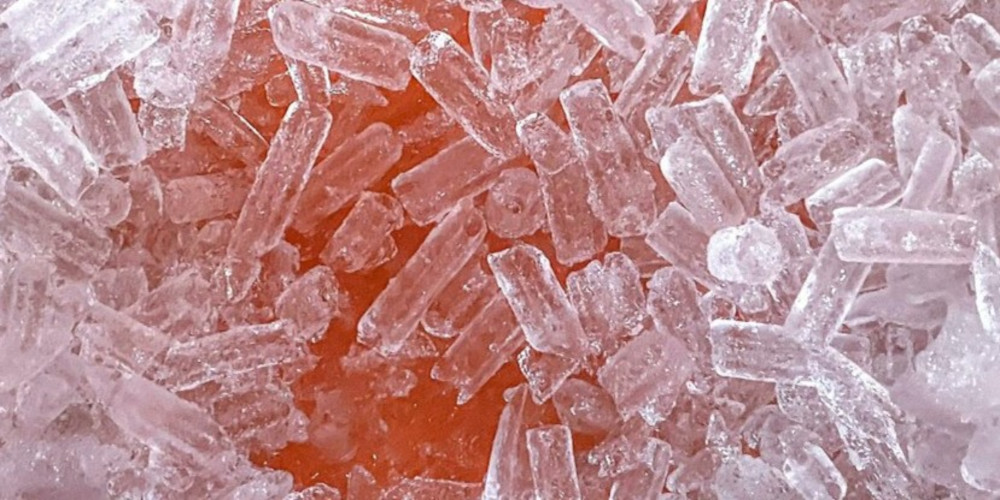
It’s a Story About Pain No One Wanted to Hear
Meth addiction rarely begins with curiosity or thrill-seeking. It begins in silence long before the first pipe is ever smoked. It begins in childhoods shaped by instability, in households governed by fear, in schools where no one asked the right questions, and in communities where people learned early that numbness feels safer than feeling anything at all. Tik does not enter a life randomly. It enters through cracks created by trauma, neglect, generational wounds, and the slow erosion of hope. It arrives in the exact spaces where people have run out of emotional hiding places.
When outsiders judge meth addiction, they often imagine a simple cause-and-effect story. They do not see the life that happened before the drug. They do not see the child who sat through years of chaos. They do not see the teenager who learned to perform strength while carrying unbearable pressure. They do not see the adult who cannot outrun the ghosts they inherited. Tik becomes the coping mechanism of people who ran out of coping mechanisms. It becomes a relief from a lifetime of unresolved fear, shame, loneliness, and unmet needs.
This is why meth spreads so easily through communities shaped by trauma. When people live in emotional fires long enough, even a toxic escape can feel like a type of oxygen.
The Drug That Turns Quiet Pain Into Loud Chaos
Most South Africans know someone whose life has been overtaken by tik. Someone who used to be warm, funny, sensitive, or full of potential, and then suddenly became unreachable. Someone who once had a rhythm to their personality and then began to move and speak as if possessed by a restlessness that has no off-switch. Meth does not simply heighten mood. It scrapes away the emotional skin that keeps people steady. It pulls hidden wounds to the surface and amplifies them until they become explosive.
Many people who use tik are carrying unhealed trauma long before their first high. Meth, with its intense dopamine rush and artificial confidence, temporarily erases the internal noise that trauma survivors live with. For a moment, they feel invincible. For a moment, the anxiety dissolves. For a moment, the shame fades. But the moment ends quickly. And when it ends, the crash hits with double the force. The trauma resurfacing becomes overwhelming. The self-hatred multiplies. The paranoia settles in. The emotional pain intensifies to levels that feel unbearable. And the cycle restarts in an attempt to escape the very pain the drug has just magnified.
Tik does not only create chaos. It exposes the chaos that trauma left behind. It is a drug that turns internal suffering into external destruction.
How Meth Steals the Sense of Self
Families often describe the person using tik as someone who “disappeared” or “became someone else”. They speak about a personality shift so severe that they no longer recognise the person they love. This is not dramatic exaggeration. Meth clings to identity like a parasite. It alters the brain’s reward system, influences emotional regulation, distorts perception, and reshapes priorities until the original self becomes buried beneath compulsive survival-driven behaviour.
Meth addiction is a type of identity hijacking. The drug rewires the brain to prioritise the next hit above relationships, hygiene, food, safety, commitments, dreams, and values. Everything that once made the person feel like themselves becomes secondary to the frantic pursuit of relief from cravings and withdrawal. It is not that the person stops caring. It is that the drug makes caring neurologically impossible.
This is one of the reasons families experience such grief. They watch a loved one behave in ways that contradict their character, their morals, their deepest nature. The gentle son becomes unpredictable. The responsible daughter becomes erratic. The empathetic sibling becomes volatile. The reliable friend becomes unreliable. The shift feels personal even though it is biochemical. Meth does not merely create addiction. It steals identity and replaces it with obsession.
Why Meth Addiction Destroys Relationships Faster Than Almost Any Other Drug
Meth fundamentally alters how a person interprets reality. Paranoia becomes a lens through which everything is filtered. Innocent gestures feel threatening. Conversations become accusations. Loved ones become perceived enemies. Small misunderstandings escalate into explosive confrontations because the brain is no longer capable of distinguishing between genuine danger and imagined threat.
This paranoia corrodes trust within homes. Family members walk on eggshells. Partners become exhausted from trying to de-escalate crises that erupt without warning. Children absorb the emotional tension with their entire nervous systems. Grandparents begin to fear opening their doors at night. Friends quietly withdraw because they no longer recognise the person standing in front of them.
Meth addiction isolates people not because they want isolation but because their behaviour becomes too unpredictable for the people around them to manage. Eventually, relationships collapse under the weight of exhaustion, fear, and emotional damage. The person using meth interprets this collapse as abandonment, which fuels deeper despair and drives further use.
Tik is not just a drug that breaks bodies. It is a drug that breaks human connections.
A Collision of Dopamine, Trauma, and Desperation
The spiral of meth addiction is not simply a sequence of bad decisions. It is the result of a collision between neurochemistry, psychological vulnerability, social instability, and emotional deprivation. Meth manipulates dopamine in ways that make natural life experiences feel flat and meaningless. The brain, now dependent on extreme chemical spikes, stops responding to ordinary sources of joy or motivation. Work becomes overwhelming. Conversations feel draining. Responsibilities become impossible. Emotional regulation becomes a distant fantasy.
Simultaneously, trauma memories that were once buried emerge violently during withdrawal. Anxiety intensifies. Depression deepens. Shame becomes suffocating. The person begins to feel as if their internal world is collapsing. Meth then becomes the only temporary escape, even though it is the same substance causing the collapse.
The spiral is not simply biological. It is emotional, psychological, social, and spiritual. Meth addiction is a perfect storm created by a drug that aggressively attacks the very parts of the brain responsible for stability, resilience, and self-control.
What Communities Often Miss
Communities tend to focus on visible behaviour, crime, aggression, neglect, financial chaos, or social withdrawal. But beneath these behaviours lies a deeper reality, most meth users are people running from unbearable emotional pain. Many feel abandoned, unseen, or emotionally orphaned long before the addiction begins. Many carry secrets they have never spoken. Many live with undiagnosed mental health conditions. Many grew up in households where stability never existed. Many waited their entire lives for someone to ask, “What happened to you?” instead of “What is wrong with you?”
Communities often interpret addiction as a moral collapse. In reality, meth addiction is often a symptom of an emotional collapse that began years earlier. People who turn to tik are not searching for chaos. They are searching for relief. And when relief only exists in chemical form, addiction becomes inevitable.
Why Meth Recovery Requires More Than Detox or Willpower
Detox alone cannot repair the damage caused by meth because the drug attacks the very systems responsible for recovery. People leaving tik behind must navigate months of fatigue, insomnia, anxiety, cognitive fog, emotional instability, cravings, and mood swings. Their brains are fragile. Their identities feel fractured. Their confidence is non-existent. Their relationships are bruised. Their nervous systems remain locked in survival mode.
Recovery requires long-term psychiatric support, trauma therapy, behavioural intervention, and structured aftercare. It also requires a safe environment where triggers, conflict, and violence are minimised. People recovering from meth need consistent guidance, stable routines, emotional containment, and therapeutic tools to rebuild the cognitive pathways that the drug has dismantled.
Most importantly, they need families and communities who understand that recovery is not linear. It is fragile, unpredictable, and vulnerable to setbacks. And none of this means failure. It means healing is happening slowly.
The Hidden Victims
Tik tears through homes with a force that reshapes childhood forever. Children learn to read their caretaker’s mood before reading their schoolbooks. They anticipate conflict before they anticipate breakfast. They become experts at emotional forecasting because it is their only form of safety. These children carry internal scars that do not heal with time. Many develop anxiety, depression, learning difficulties, sleep disturbances, or emotional numbness. Many grow into adults who distrust stability because they have never experienced it. Many internalise the belief that chaos is normal.
The trauma of growing up in a tik-affected household does not disappear when the addicted person stops using. It must be treated as its own separate wound. Children need therapy. They need stability. They need reassurance. They need support systems that did not exist while they were living in emotional warfare. Communities often ignore these children because their suffering is quiet. Meth addiction makes noise. Childhood trauma whispers. But the long-term effects are loud.
What the Meth Crisis Reveals
Tik forced the country to confront uncomfortable truths. It revealed how many people are living without emotional safety nets. It revealed how poverty, unemployment, gender-based violence, and generational trauma intersect with addiction. It revealed how many communities operate on survival mode rather than flourishing mode. It revealed how many families are drowning in silence. It revealed the desperate need for mental-health accessibility. It revealed how emotionally under-resourced the nation is. Meth addiction is a symptom of these broader structural failures. Treatment can save lives. But only societal change can stop the cycle from repeating.
Why Seeking Help Is Not Weakness but a Return to Self
People trapped in meth addiction often believe they are beyond repair. They believe they have caused too much damage, betrayed too many people, lost too much time, and broken too much trust. But tik does not erase humanity. It masks it. And treatment helps remove the mask.
Recovery is not about becoming a new person. It is about returning to the person who existed before the trauma, before the pain, and before tik stepped in. It is about restoring dignity, identity, emotional safety, and hope. Meth addiction is terrifying. But it is treatable. And not a single person who seeks help is unworthy of recovery.